Blog
The Power of Social: What Social Media is Doing for Heritage Brands
How do heritage brands embrace a social-first world without losing the things that made people care about them in the first place? Find out here.
How do heritage brands embrace a social-first world without losing the things that made people care about them in the first place? Find out here.


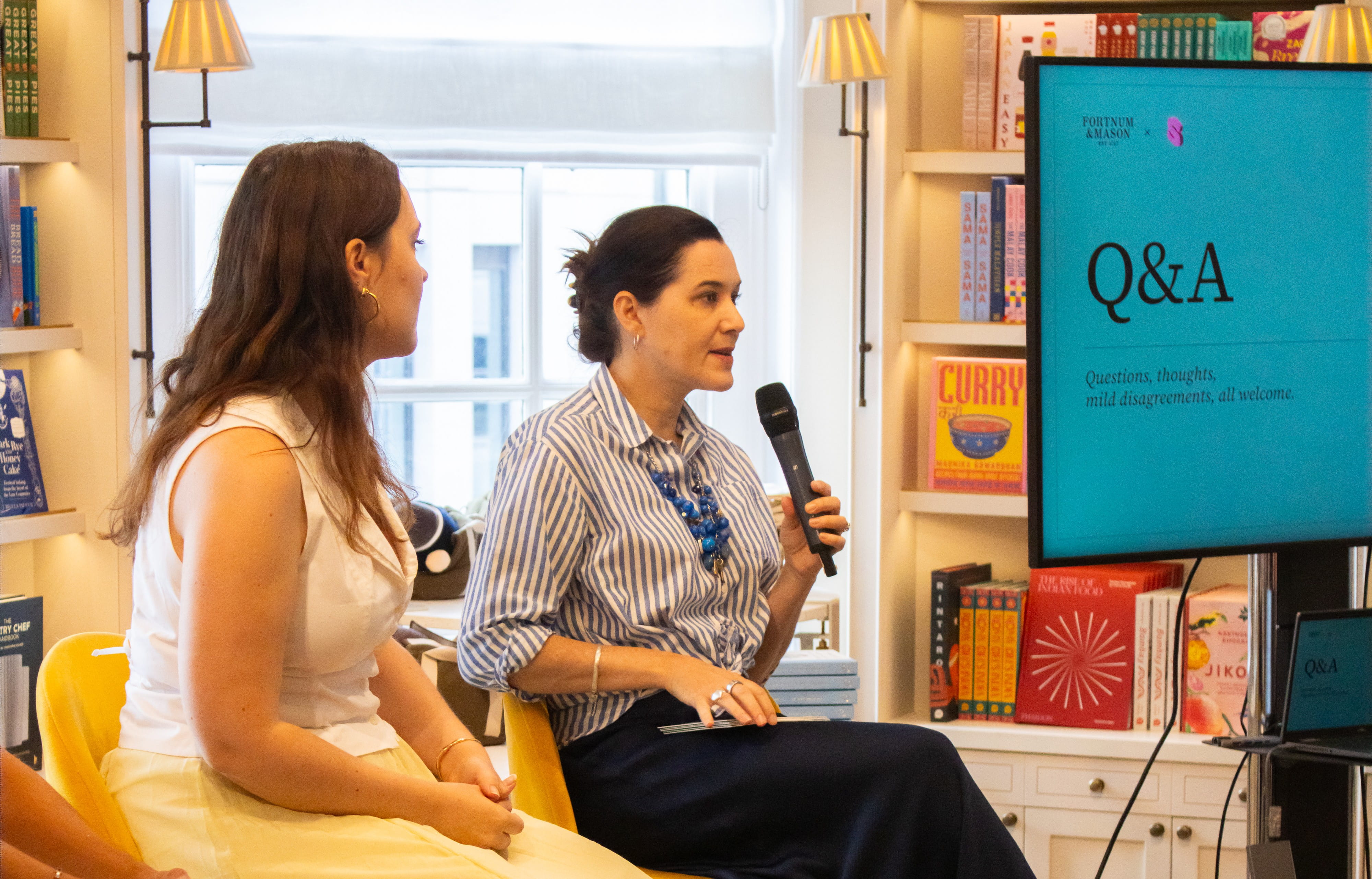
Spin recently swapped its office for the third floor at Fortnum & Mason.
Cup of tea in hand, we sat down with Fortnum and Mason’s Head of Brand & Creative Production Ange Loftus and Senior Social Media Manager, Daisy Kent, along with content creator Leah Lane to talk about what social media is doing for heritage brands.
The question on the table:
How do heritage brands embrace a social-first world without losing the things that made people care about them in the first place?
Below, you’ll find the 5 key takeaways from the packed Spin event.
TL; DR: Social is giving heritage brands a way to write their next chapter, bringing their stories, communities and experiences to new audiences without losing what made them distinctive in the first place.

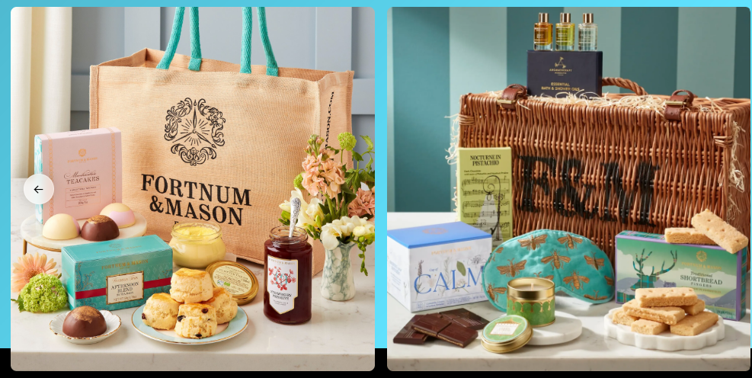
Nobody’s just buying a hamper. They’re buying into decades of history, generational family traditions, and the Fortnum & Mason experience.
Social strategies and creatives bring that brand history to life and invites customers to be part of the next chapter.
Whether it’s through aspirational content that lets people see what it’s like to be a customer of the brand, or reactive content that reminds people a 300-year-old institution is very much living in the same world as they are.
Social brings heritage brands to the mid-morning scroll and makes that story more accessible.
Heritage brands are built on decades of consistency and trust. While social rewards speed and spontaneity, brands need to be careful they don’t lose their identity in the pursuit of cultural relevance.
Play it too safe and every post reads like a press release.
Go too far in the opposite direction and customers stop recognising you.
The answer isn’t avoiding social culture. It’s knowing exactly how far your brand can stretch and having an editorial team that can move at the speed of the feed.
Fortnum & Mason built their name through word of mouth, memorable campaigns and an experience that kept people coming back – and bringing their friends.
Creators can bring brands to new audiences, but reach alone doesn’t build the kind of community that heritage brands rely on.
Social has to nurture the communities that already know and care about them.
Partnerships need to feel like an extension of the community, not a shot in the dark for the sake of reaching more people.
People don’t just find out about heritage brands on the high street any more.
That first encounter is just as likely to happen between a meme and a holiday photo dump during a late-night scroll.
Social isn’t just somewhere to promote products. It’s the shop window, the brand introduction, and the place where people decide if they want more.
Which means the social experience has to set the tone.
The visuals, attention to detail and care people associate with the brand in person should come through just as clearly in posts and interactions on social.
HFSS restrictions meant brands had to pivot. For Fortnum & Mason, this meant shifting paid media investment away from wine and spirits to shine a spotlight on confectionery.
Heritage doesn’t mean standing still. Sometimes the constraint is exactly what forces a brand to find a new way forward.
Constraints, however they show up, can feed creativity and lead to campaigns that find new ways to tell an old story.
Heritage brands have decades of history behind them, and social gives them new ways to keep that story moving.
The brands doing it well aren’t chasing every trend or handing over the keys to whichever creator has the biggest following.
They’re protecting what makes them distinctive, investing in the communities around them and treating every social touchpoint with the same care as the experience people get in person.
Heritage might be where the story starts, but social is helping brands decide what comes next.
How do heritage brands embrace a social-first world without losing the things that made people care about them in the first place? Find out here.
History gives heritage brands a head start, not a free pass. See why social is essential for staying relevant.

Why local influencer marketing works best when brands choose cultural fluency over follower count.