Blog
The Power of Social: What Social Media is Doing for Heritage Brands
How do heritage brands embrace a social-first world without losing the things that made people care about them in the first place? Find out here.
Everyone is using AI. Yes – everyone, including us. Whether it’s for data analysis, generating ideas, or tweaking the odd phrase, AI has become foundational to modern workflows.

The ease of use of AI has led many brands to use it to generate creative. AI slop has flooded many timelines. And when things go too far in one direction, there’s always the correction.
In this case, it’s brands that are now looking to ‘humanise’ their feeds. But just saying your content is human-led isn’t enough. Shaky cams and grainy footage aren’t going to make users trust you.
The real differentiator now is judgement: understanding what deserves attention, what fits culture, and what resonates with your audience.
The brands that win won’t be the ones rejecting AI. They’ll be the ones directing it better.
The question isn’t whether brands should use AI in social media. They already are.
AI tools are now embedded in almost every part of the workflow, including:
What once took days can now take mere hours. For social teams under constant pressure, this efficiency is a game-changer.
But speed alone doesn’t generate standout content.
In fact, when everyone has access to the same tools, speed can create sameness and uniformity. Not what you want in the social world, where an eye-catching idea and a bit of originality are what stop people scrolling.
At Spin, the focus isn’t just on producing content faster. It’s using that time to build ideas that earn attention through creative-first social thinking.
Imperfection doesn’t make something human. What really makes content feel human is something much harder to replicate. Something that only judgement, honed through years of experience, can provide.
What does your audience want? And are you giving it to them when they want it? Knowing when to push your brand’s people or when to dazzle with eye-catching visuals is what makes socials connect.
Jump in too late and the moment has passed; jump in without understanding the context and it can backfire.
Great social teams know when to push a creative idea further and when to pull back. When visuals muddy the message or when visuals are the message.
AI can generate options, but it doesn’t understand brand risk, tone or cultural nuance the way experienced marketers do.
Different audiences speak different languages online.
Memes evolve quickly. Community expectations shift. What works on TikTok might fail on LinkedIn.
Understanding those nuances takes real cultural awareness. Something AI can’t mimic.
AI is best viewed not as the Creative Director, but their tool. When used properly, it can be incredibly useful for:
There’s also a place for clearly labelled AI-generated content. When it’s transparent and used with creative intent, audiences often engage with it out of curiosity.
The key is being upfront and honest.
The biggest risk with AI isn’t the technology but how lazily it can be used.
When brands rely on AI to generate entire posts or campaigns without real creative input, the result often looks the same or fails to connect with audiences.
Feeds quickly fill with AI slop: content that simply exists, adding to an already overfilling echo chamber.
This does more than waste attention; it weakens brand distinctiveness.
If every brand sounds the same, audiences stop noticing.
Lack of transparency can also damage trust. When obviously AI-generated content is presented as something else, audiences tend to respond badly.
It’s simple really. In a feed filled with AI content, the things that stand out aren’t necessarily more polished; they’re more intentional.
What cuts through now is:
Creative-first thinking is critical. Be bold. Be human. Be clear.
Speak to your audience with clear intent. Address their challenges and needs, and you’ll start to see engagement grow naturally.
The future isn’t AI or human. It’s AI guided by humans who know what deserves attention.
The technology can accelerate production, surface insights, and help teams move faster. But it can’t replace taste, cultural awareness, or the instinct to recognise an idea that genuinely resonates.
That’s where people still matter most: shaping the direction, refining the message, and deciding which ideas are worth putting into the world. Because in a crowded social landscape, attention isn’t won through volume; it’s earned through relevance, creativity, and intent.
Want to see what creative-first social looks like in practice? Explore Spin’s approach or get in touch today.
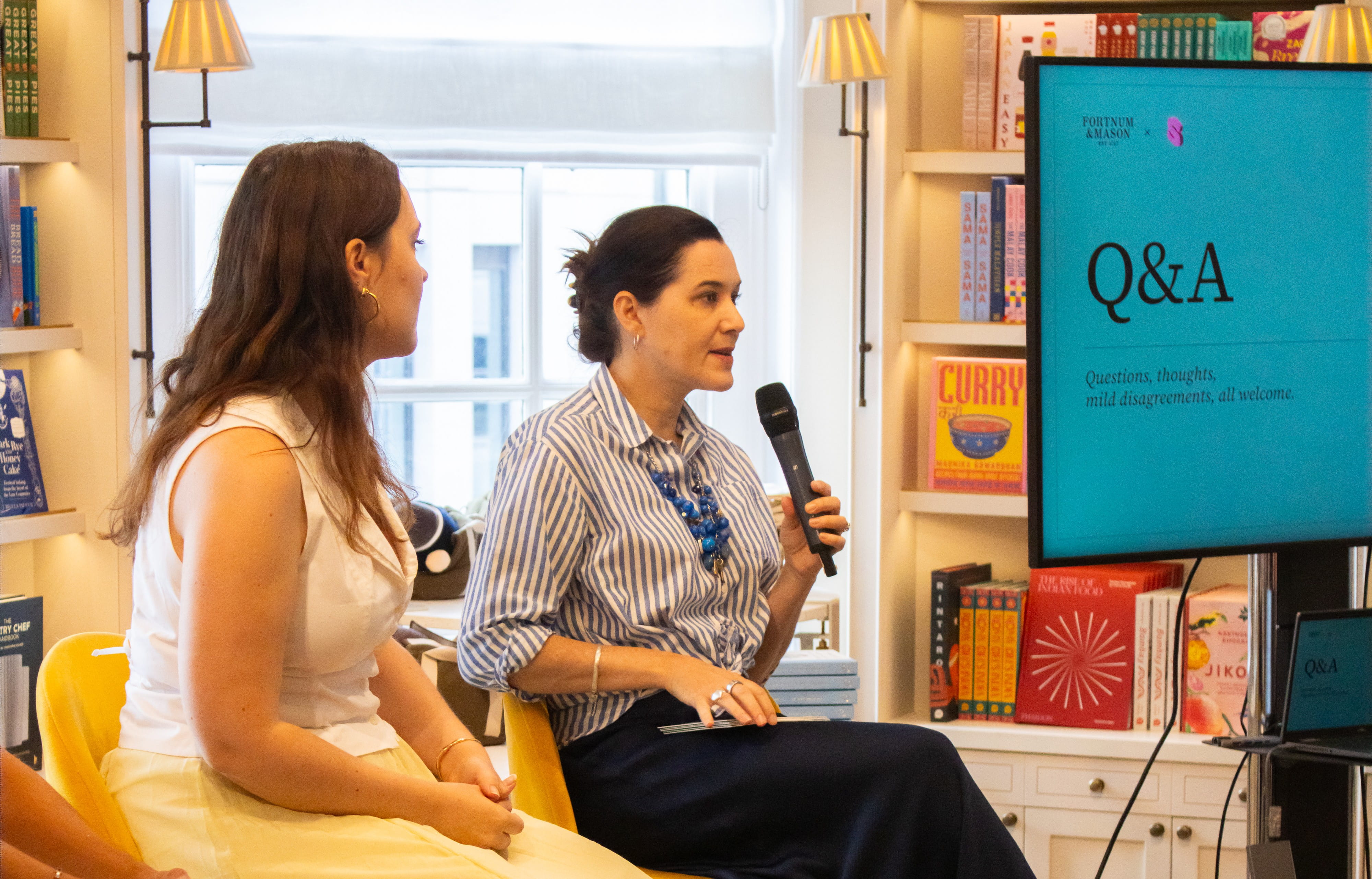
How do heritage brands embrace a social-first world without losing the things that made people care about them in the first place? Find out here.

History gives heritage brands a head start, not a free pass. See why social is essential for staying relevant.

Why local influencer marketing works best when brands choose cultural fluency over follower count.