Blog
The Power of Social: What Social Media is Doing for Heritage Brands
How do heritage brands embrace a social-first world without losing the things that made people care about them in the first place? Find out here.
History gives heritage brands a head start, not a free pass. See why social is essential for staying relevant.


Heritage brands often have what newer businesses spend years trying to build.
People know the name. They recognise the logo. They might even have a memory attached to it. That’s a powerful starting point, but it is only a starting point.
Being known does not mean you are being considered. Respect doesn’t equal relevance. Being part of someone’s past doesn’t guarantee you a place in their future.
That’s where a social strategy comes in. It shapes how people discover brands, interpret them, talk about them and decide whether they still belong in modern culture.
For heritage brands, it’s the difference between being remembered and being chosen.
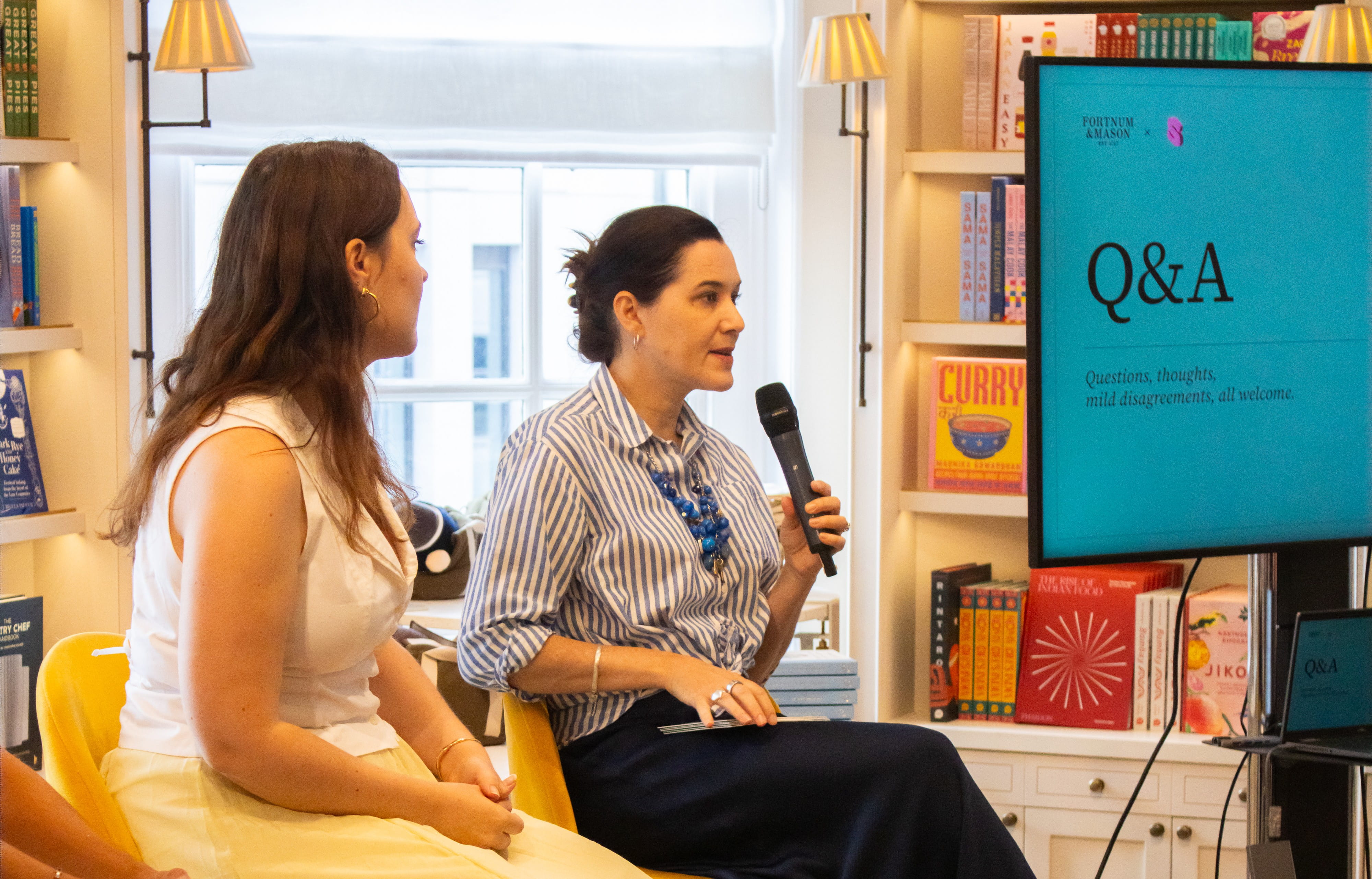
If you want to learn more about the power of social for heritage brand, join us at our event on August 6 at Fortnum and Mason.
Heritage brands often have decades of material to work with. Founding stories. Rich archives. Craftsmanship. Cultural moments. Familiar products and traditions.
Most brands would love that kind of creative toolkit.
But having history is not the same as using it well. Too often, heritage marketing gets stuck looking backwards. Another black-and-white photograph. Another anniversary. Another reminder of the founding date.
The strongest heritage brands know how to reinterpret the past, not repeat it. They identify the stories and recognisable brand cues that still matter in today’s culture and express them through modern formats, conversations and ideas.
That could mean bringing an old character back with a new voice, showing the craft behind a familiar product or reframing an archive moment through a current cultural lens. The past provides the material. The strategy decides what to do with it.
Social is still treated as an afterthought far too often by heritage brands who are more used to blowing their budget on a big TV advert.
Socials end up being filled with TV off cuts. Key visuals from adverts are sloppy re-used in carousels. Press releases become captions.
But social is more than a distribution channel. It’s where brands demonstrate personality, respond to culture, test ideas and hear how customers actually speak.
Traditional channels still matter. TV can deliver scale. OOH can create stature. Print can add context. Social adds something different: participation.
It gives people something to react to, question, remix or send to the group chat. It also keeps brands present between major campaigns.
Culture doesn’t wait for the next scheduled moment on your media plan. Social turns relevance from an occasional burst into an ongoing practice.
People might know you without considering you.
They might associate the brand with their parents. Christmas. One famous product. A higher price point. Or a version of the business that no longer reflects what it offers today.
Those associations are not always negative. They are just narrow.
Social gives heritage brands room to add more.

Fortnum & Mason is a useful example. The brand wanted to broaden how people saw it by showing more of its products, relevance and personality.
Social media helped it do that. Not by abandoning its heritage, but by using it as a foundation for more varied, contemporary content across Instagram and TikTok.
Modernising a heritage brand does not mean throwing away what made it famous. It means giving people more reasons to think about it.
Social can introduce overlooked products, occasions and stories. It can reach beyond the traditional customer base. It can show how the brand fits into everyday life, not just the moments it already owns.
Heritage brands often inherit a lot of rules.
Some protect what is genuinely distinctive. Others are habits that have gone unchallenged for years.
The logo must always sit there. The copy must always sound like this. The brand must never make a joke. Everything must feel polished, formal and ceremonial.
A strong brand should know which rules are fundamental and which ones are making it less interesting.
Social creates space to experiment with voice and show more of the business. The people behind the product. The making process. Lesser-known stories. Customer rituals. Unexpected uses. Collaborations. Even humour.
That doesn’t mean chasing every meme. It means using contemporary formats in a way that still feels unmistakably like the brand.
Heritage can make social more distinctive. An established business may already have centuries of characters, stories and visual codes waiting to be used.
The opportunity is huge, but only when the archive is treated as a playground, not a museum display.
Heritage brands tend to value control. Understandably.
When a reputation has been built over decades or centuries, nobody wants to damage it with one rushed post and an ill-advised trending audio.
But excessive control creates a different risk: irrelevance. A cultural moment can emerge, peak and disappear before a traditional approval chain reaches its third stakeholder.
The answer is not less governance. It is governance built for the speed of social. Teams need clear boundaries, agreed approval routes, recognisable creative building blocks and senior support for testing and learning.
The problem is rarely a lack of ideas. It is often an operating model designed for slower media. Social also suffers when strategy, creative, community and performance teams work in isolation.
Community insight should shape creative. Creative performance should inform strategy. Cultural intelligence should influence the media plan. And social teams should be involved before the campaign is finished, not handed are sizing brief at the end.
Someone sees a creator using a product. They read the comments. They visit the profile. A week later, they search for the brand. A month later, they buy.
There is no neat little funnel and no single post taking all the credit.
The same piece of content can build reach, distinctiveness and cultural relevance while also supporting discovery, education, site visits, enquiries and sales.
Google describes this non-linear purchasing process as the ‘messy middle’, where people move repeatedly between exploring and evaluating their options before making a decision.
Social plays a role throughout. Some content earns attention. Some shifts perception. Some explains a product. Some creates action.
The problem begins when brands expect every post to do everything, then conclude social is not working because one cultural video did not delive rlast-click revenue.
Every activity should have a role, but not every activity should have the same role.
To understand social’s true contribution, teams need to look beyond follower growth and isolated engagement rates.
· Attention: Are people stopping, watching, sharing and returning?
· Brand impact: Is social changing awareness, perception, relevance or consideration?
· Cultural impact: Is the brand becoming part of the right conversations and communities?
· Commercial contribution: Is social influencing traffic, search demand, customer acquisition, sales, enquiries or retention?
· Creative learning: Which stories, formats, products and brand cues consistently perform?
Attribution will never be perfect. That is not a reason to treat social as unmeasurable. It is a reason to measure it better.
1. What parts of our history still matter to people today?
2. What do people associate us with, and what do we want to add?
3. Does our content feel native to social, or adapted from somewhere else?
4. Can we respond at the speed of culture without compromising the brand?
5. Are we measuring social across brand and commercial outcomes?
Heritage should make social more interesting, not less necessary.
Established brands already have what many newer businesses are still trying to create: stories, trust, recognisable identity and a place in people’s memories.
But memory alone does not drive modern relevance.
Those strengths need to be brought to life through fresh creative, platform-native thinking and a clear understanding of what audiences care about now.
The brands that get this right do not abandon their history. They make it useful. Because a place in the past is valuable, a place in culture is better.
At Spin, we help heritage brands turn what makes them distinctive into social that feels current, culturally relevant and commercially useful.
Explore our approach to social creative and brand relevance.
How do heritage brands embrace a social-first world without losing the things that made people care about them in the first place? Find out here.
History gives heritage brands a head start, not a free pass. See why social is essential for staying relevant.

Why local influencer marketing works best when brands choose cultural fluency over follower count.